
Latest News
 Antrim Fire Department selling used truck
 Jarvis Coffin: Off the Highway – Calmly on the waters
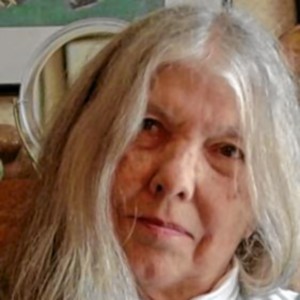 Words About Wilton: Gail Hoar – Protecting and serving
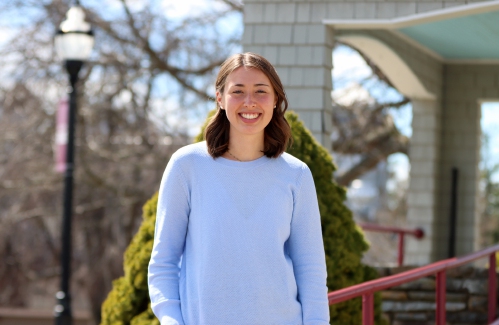
Franklin Pierce University names valedictorian and salutatorian
Franklin Pierce University announced that Madeline Ward has been named valedictorian for the Class of 2024, and Ryan Walker has been named the class's salutatorian.Ward, from Wolfeboro, majored in biology while also earning minors in spanish and...
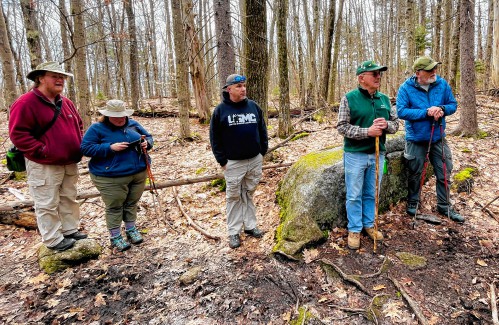
Harris Center conducts veterans hike at Jack’s Pond in Hancock
A group of veterans from around the Monadnock region, led by Susie Spikol of the Harris Center for Environmental Education, learned the little-known history of Hancock’s Jack’s Pond Sunday as part of the Harris Center’s veterans hiking program.The...
Most Read
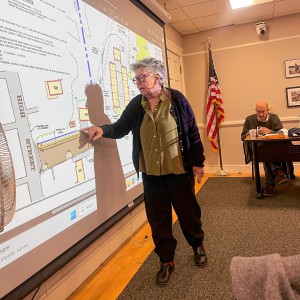 Peterborough Planning Board approves 14-unit development near High Street
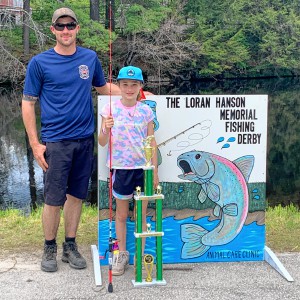 Peterborough firefighters continue fishing derby tradition
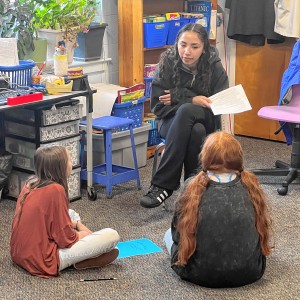 Franklin Pierce students help foster literacy at Rindge Memorial School
 ConVal attorney answers withdrawal questions
 Scott Bakula starring in Peterborough Players’ ‘Man of La Mancha’
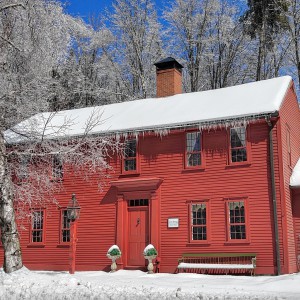 HOUSE AND HOME: The Old Parsonage in Antrim is a ‘happy house’
Editors Picks
HOUSE AND HOME: The Old Parsonage in Antrim is a ‘happy house’
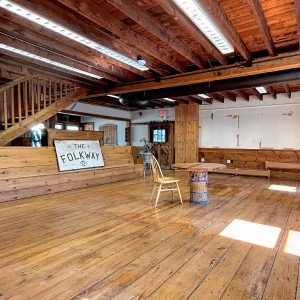 Former home of The Folkway in Peterborough is on the market
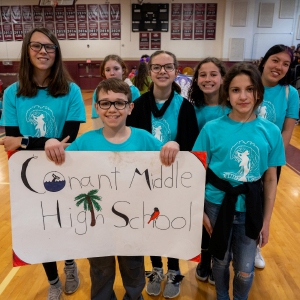 Two Jaffrey-Rindge Destination Imagination teams move on to Globals
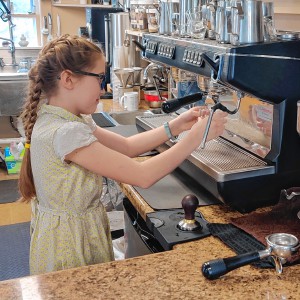 Parker and Sons Coffee Roasting in Peterborough strives to create the perfect coffee

Sports
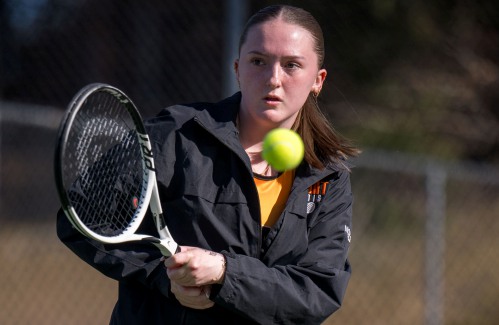
Conant girls’ tennis continues to seek improvement
When Gloria Morison wakes up in the middle of the night, her mind turns to tennis.That's a good thing for her Conant girls' tennis team, as they can benefit from her late-night musings. Before Tuesday's home showdown with visiting Kearsarge, it was...
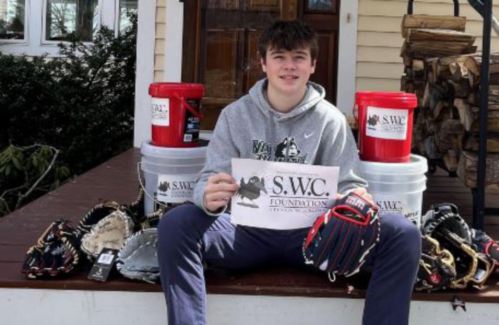 Jack Kidd and Kidd Gloves make donation to Mt. Monadnock Little League
 HIGH SCHOOL SPORTS ROUNDUP: Tasha MacNeil leads the way for ConVal at Pelham Invita
 ConVal boys’ tennis looks to build experience
Opinion
Viewpoint: Jay Schechter – ConVal agreement no longer works
On Wednesday, April 10, the Monadnock Center For History and Culture and Monadnock Ledger-Transcript sponsored a Community Conversation. Several members of the Dublin Education Advisory Committee attended.The presentation was billed as an event to ask...

Business
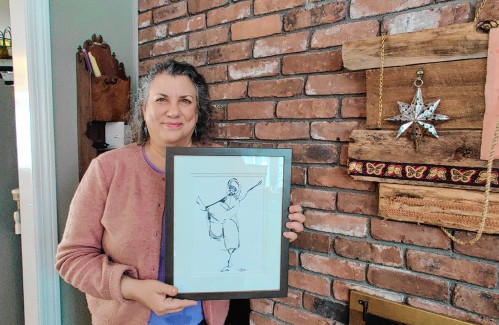
Deb Caplan builds a business out of her creative passion
When she moved from Florida to New Hampshire in 2011, Deb Caplan, a lifelong creative, was thrilled to find that her new hometown of Peterborough was a major hub for for creativity and the arts in the Monadnock region.“I love living around here. There...
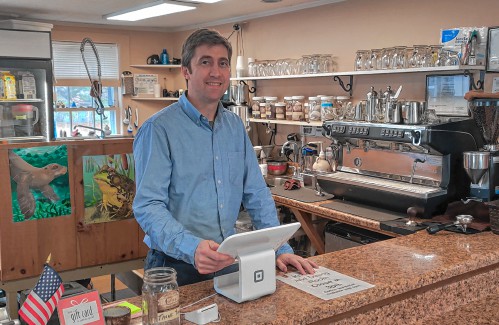 Parker and Sons Coffee Roasting in Peterborough strives to create the perfect coffee
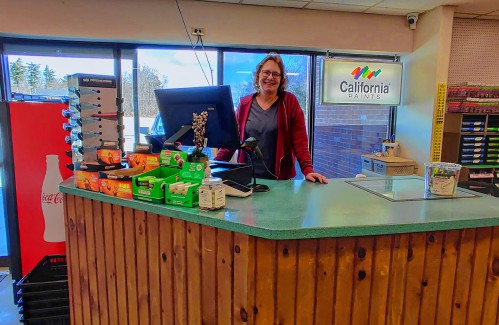 Happy Hardware looks to put the fun in hardware shopping
 Grey Horse Candle Company opens Peterborough storefront
e-Edition
Arts & Life
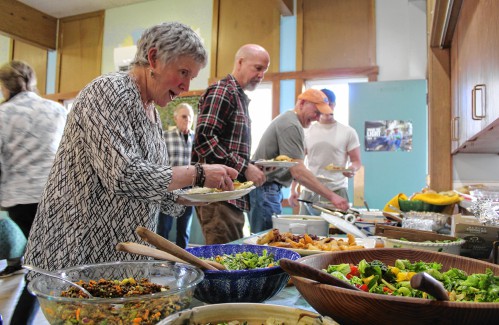
Jaffrey kicks off Earth Week with no-waste potluck and environmental speakers
There were no paper plates or plastic utensils to be seen during the Jaffrey Climate Initiative and Jaffrey Conservation Commission Earth Day kickoff potluck on Tuesday, where participants were asked to bring their own plates and utensils for a...
 Gnome Notes: Emerson Sistare – Amor Towles weaves tapestry in ‘Table for Two: Fictions’
 Jaffrey Civic Center hosting Heart of the Arts
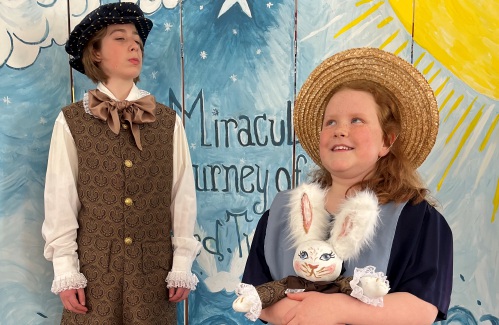 Project Shakespeare to present ‘The Miraculous Journey of Edward Tulane’
 The Thing in the Spring returns May 16
Obituaries
 Bonnie Paquette
Bennington, NH - Bonnie (Adams) Paquette, 65, of Bennington NH, passed away on April 13th, 2024, at Concord Hospital, surrounded by her family. The daughter of Ruth Greeley and Robert Adams... remainder of obit for Bonnie Paquette
 Katherine W. Allen
Francestown NH - Katherine W. Allen of Francestown, NH and most recently of Hailey, Idaho died peacefully on February 16, 2024 at the age of 94. Born April 26, 1929 she was the daughter of ... remainder of obit for Katherine W. Allen
 Kenneth Noyd
Bath, ME - Kenneth Herbert Noyd was born November 27, 1930 in Norwood, Massachusetts. Ken passed away on April 7, 2024 at the age of 93 near Bath, Maine, after enjoying heartfelt conversati... remainder of obit for Kenneth Noyd
 Karen B. Ayers
, 80 Jaffrey, NH - Karen Backstrom Ayers of Jaffrey, NH, passed away in Keene, NH, on April 12, 2024. Karen was born on September 9, 1943, in Pittsburgh, PA, a daughter to Melvin Leslie and ... remainder of obit for Karen B. Ayers